What is the difference between SFP、SFP+、QSFP?
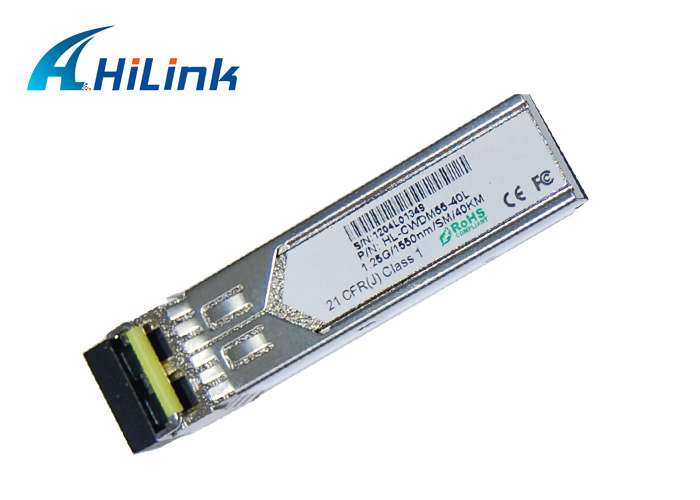
SFP, SFP+ or QSFP are all types of transceivers used to connect a switch or other network device to copper or fibre cable. They are most commonly used to add fibre ports. Which SFP transceiver you choose depends on the cable type, application, required optical range for the network and the desired data transmission rate. What is an SFP? An SFP , or small form factor pluggable, is a compact, hot-swappable transceiver designed to support 100/1000Mbps Ethernet, Fibre Channel and SONET, among other communication standards. SFP transceivers support speeds up to 4.25Gbps and are commonly used in telecommunications and data communications applications. SFP ports are found in a range of devices, from Ethernet switches to routers, NIC cards and firewalls. Small form factor pluggable specification is based on IEEE802.3 and SFF-8472. SFP vs SFP+ SFP and SFP+ transceivers are virtually identical in size and appearance. The primary difference is that SFP+ is an updated version th...